A day in the loop
Your total screen time: five minutes. Your child's: zero. Here is Tuesday.
- 7:00am. Open the plan
Four sprint cards, in order. Each leads with the setup line ("3 bowls, crackers"), then the instructor's cue, then the exact script. Only got 30 minutes? Tap the duration and the engine picks the two highest-value sprints. Big day? Add the stretch block for four more.
- Through the day. Run the sprints
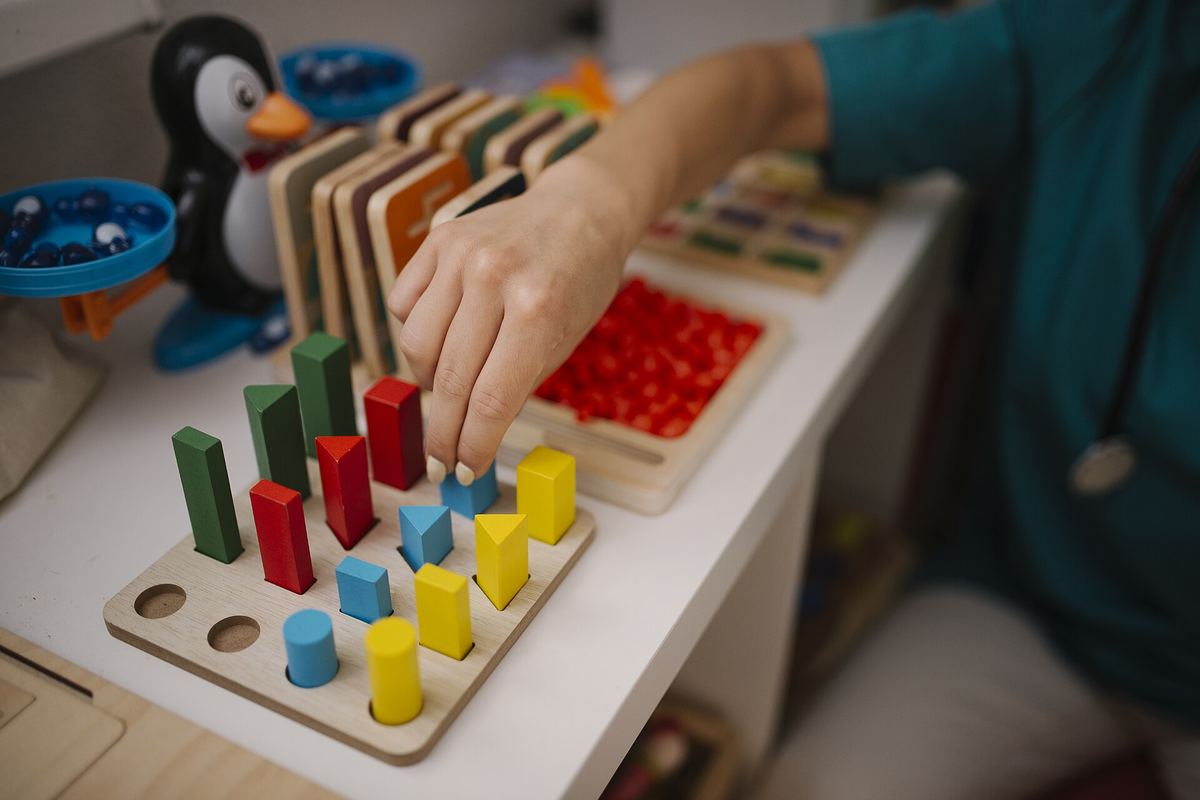
Fifteen minutes each, whenever they fit. Drop three crackers in a bowl: "How many did the bear get?" Build a tower behind a screen, reveal it for three seconds, cover it: "Make the same one." One skill, one drill, finish on a win. Mark each card done or skipped with a tap.
- 8:55pm. The 30-second debrief
Mark each sprint: got it, partly, struggled, or didn't run. That is the whole job. The reply comes back instantly: what landed, what returns tomorrow, and the streak you are on.
- Overnight. The engine re-plans
Your debrief becomes evidence against the syllabus. Shaky skills return as different drills, a notch easier. Passed mastery checks open the next skill. Mastered skills queue for re-checks at 1, 3, 7 and 14 days. Tomorrow's plan is waiting before you wake.
When life happens
The day falls apart
One tap: "Day fell apart." No penalty, no broken streaks, no guilt copy. Tomorrow's plan comes back a touch lighter.
You miss a week
Streaks pause rather than reset, and you return to a deliberately gentle re-entry day. The syllabus waits; it doesn't punish.
She hates a game
Tap "different game, same skill" and the drill changes on the spot. The objective stays. The skill stays in rotation through a different drill. The objective never changes. The approach always can.
Both parents run sprints
Two instructors, one syllabus. Logs merge. If your debriefs disagree, you get one tap-to-answer question, never a form.
What you'll see over eight weeks
The mastery map fills band by band: which skills passed their mastery checks, which are in remediation, and the level per domain on the Victorian Curriculum ladder. Every claim traces to a logged session.
Join the waiting list
Places open in small batches, in order. The earlier a child starts, the cheaper excellence is to build, so a waiting-list position is worth more every month you hold it.
You're on the list.
Places are offered in order, and we will email you when yours opens. Every founding family gets a real conversation before anything is paid.
While you wait, see what a day actually looks like. A day in the loop.